Key Takeaways from this Article
- Understand why personal WhatsApp messaging is free while business messaging at scale incurs fees.
- Discover why unauthorized "free bulk senders" cause sender number bans and restrictions.
- Learn the 7 actionable rules to send bulk WhatsApp messages safely without getting blocked.
- Clarify the difference between Meta's messaging infrastructure charges and software platforms like inaiwazhi.
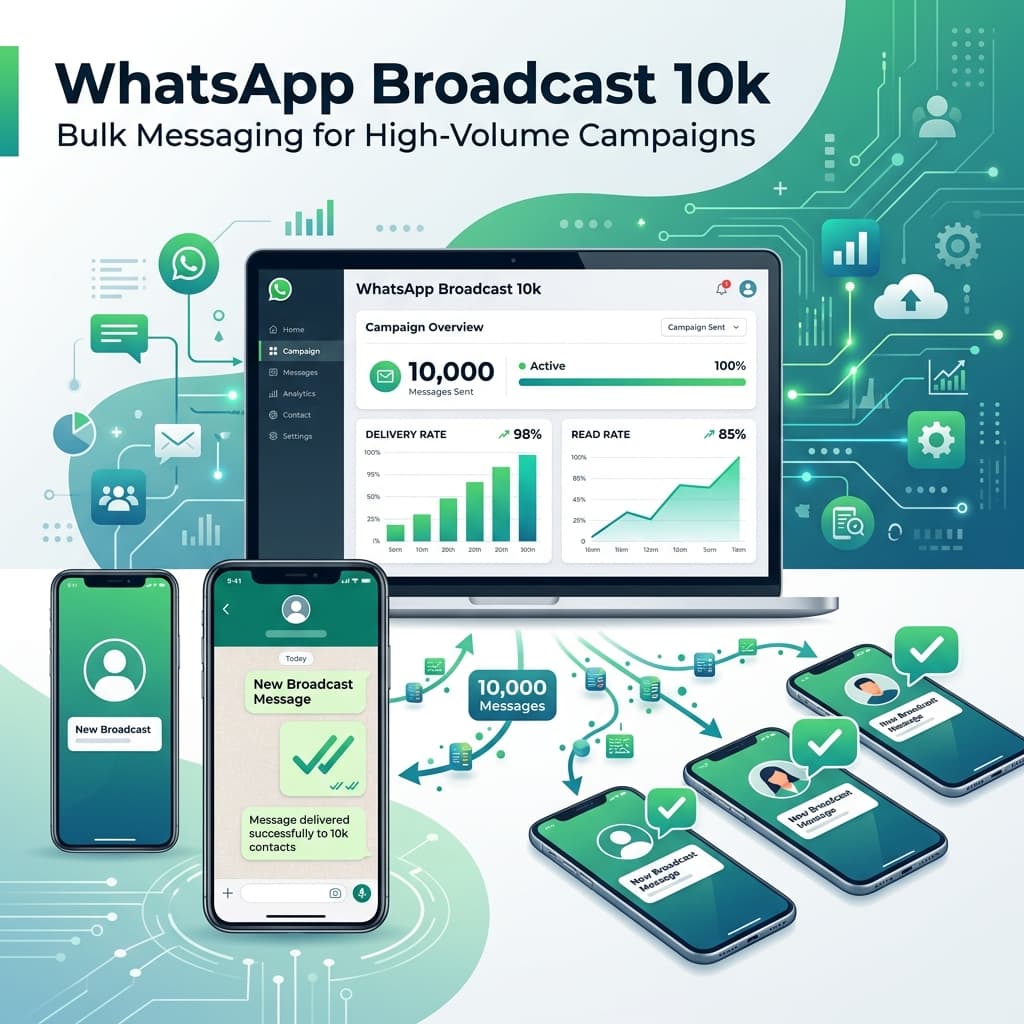
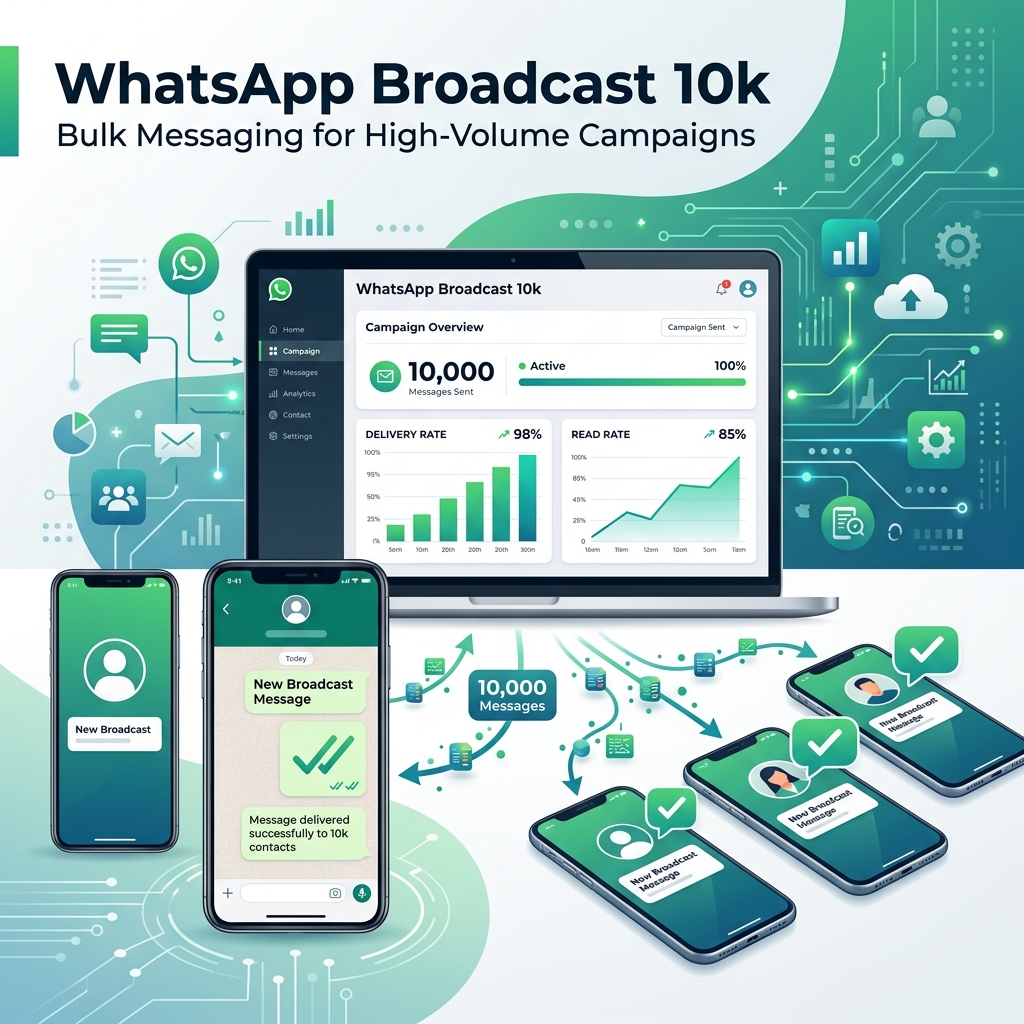
- See how automation, AI chatbots, and targeted campaigns transform WhatsApp into a powerful growth channel.
You send WhatsApp messages every day without paying for each message. So why does your business have to pay to send messages to customers?
If you have ever searched:
- “Why should I pay for WhatsApp messages?”
- “Is WhatsApp bulk messaging free?”
- “Can I send 1,000 WhatsApp messages for free?”
- “Why did my WhatsApp sender number get blocked?”
- “How can I send bulk WhatsApp messages without getting blocked?”
- “What is the best WhatsApp bulk messaging software?”
- “Why do WhatsApp Business messages cost money?”
You are not alone.
The confusion usually comes from treating personal WhatsApp messaging and business messaging at scale as the same thing. They are not.
A person sending a message to a friend is very different from a business sending thousands of marketing messages, customer notifications, follow-ups or automated conversations.
That is where the WhatsApp Business Platform, Meta's business messaging rules, applicable messaging charges, and automation platforms such as inaiwazhi come into the picture.
Another important question businesses ask:
“If I am already paying for WhatsApp messages, why should I also pay for a platform like inaiwazhi?”
Let's break down the entire journey step by step.
1. Why Is WhatsApp Free for Personal Messages but Not for Business Messaging?
When you use WhatsApp personally, you can chat with friends and family without paying a separate fee for every message.
Business communication at scale works differently. A business may need to:
- Reach thousands of customers simultaneously
- Send promotional campaigns and announcements
- Send order, delivery, or service updates
- Follow up with prospective leads automatically
- Automate customer conversations 24/7
- Manage multiple customer chats across staff members
- Segment contacts based on preferences and history
- Track campaign performance and conversion metrics
- Connect WhatsApp with CRMs, payment gateways, and e-commerce stores
This requires enterprise business messaging infrastructure rather than simply opening WhatsApp on a phone and manually typing messages.
📱 Personal WhatsApp
Designed for everyday 1-on-1 casual conversations between individuals with basic feature sets.
⚡ WhatsApp Business Platform
Designed for structured business communication at scale with API access, automation, and analytics.
That business infrastructure comes with its own rules, requirements, and applicable Meta messaging charges.
2. Can I Send Bulk WhatsApp Messages for Free?
This is usually the next question businesses ask. You may see tools online promising:
❌ “Free WhatsApp bulk sender” | “Send 10,000 WhatsApp messages free” | “Unlimited WhatsApp bulk messages”
It sounds attractive. But businesses need to look beyond the word free.
Basic WhatsApp Business app features can help small businesses communicate manually with customers. However, large-scale automated messaging is a different use case.
When you need proper campaigns, customer segmentation, automation, templates, follow-ups, and reporting, you are moving into a business messaging and automation workflow.
The real question isn't:
“How can I send bulk WhatsApp messages for free?”
It is:
“How can I communicate with the right customers at scale while following WhatsApp's rules and managing my costs?”
3. “I'll Just Use a Free Bulk Sender”
This is where many businesses start looking for shortcuts. They search search engines, YouTube, Instagram, or AI tools for:
- WhatsApp bulk sender free
- WhatsApp bulk messaging without API
- WhatsApp unlimited bulk sender
- WhatsApp bulk message without getting blocked
Some third-party tools attempt to automate messaging through methods that are not supported by WhatsApp (such as browser extensions, scraped APIs, or automated phone emulation).
The problem isn't simply whether the software works today.
The bigger question is: Is the method compliant with WhatsApp's business messaging policies?
Businesses using unsupported or unauthorized methods face severe account restrictions, temporary bans, or permanent loss of access. A cheaper tool can quickly become extremely expensive if your business loses its primary WhatsApp sender number.
4. Why Does a WhatsApp Sender Number Get Blocked or Restricted?
This is one of the most critical questions businesses ask after starting bulk messaging. You may suddenly wonder:
“Why did my WhatsApp sender number get blocked?” or “Why is my WhatsApp business number restricted?”
A sender number faces restrictions when messaging activity violates WhatsApp's policies or creates a poor experience for customers. Potential risk factors include:
🚫 No Proper Opt-in
Sending messages to people who never agreed to receive WhatsApp communication creates instant spam complaints.
📩 Too Many Unwanted Messages
If customers receive irrelevant or excessive messages, they will block or report the sender number.
📉 Poor Campaign Quality
Repeated promotional blasts or misleading offers damage customer response and phone number quality rating.
⚠️ Unsupported Bulk Methods
Using unauthorized tools or scraping extensions creates extreme compliance and account flag risks.
So the problem isn't simply: “I sent bulk messages.”
The bigger issue is how, to whom, why, and through which infrastructure those messages were sent.
5. Can inaiwazhi Guarantee That My Sender Number Will Never Be Blocked?
No.
And this is important. No legitimate WhatsApp automation platform should promise: “Your number can never be blocked.”
Using an official WhatsApp Business Platform setup does not give a business immunity from restrictions if it sends spam or violates Meta policies.
Instead, the objective is to build a compliant messaging process. That means:
- Use official WhatsApp business infrastructure (Cloud API)
- Collect appropriate customer opt-ins before sending
- Send relevant messages targeted to customer interests
- Avoid unsolicited cold messaging
- Use approved Meta templates where required
- Respect customer requests to stop receiving messages immediately
- Monitor customer responses and message quality rating continuously
- Avoid unauthorized, unverified bulk-sending software
Official infrastructure dramatically reduces unnecessary risk; it does not guarantee zero restrictions if policy is ignored.
6. How Can I Send Bulk WhatsApp Messages Without Getting My Sender Number Blocked?
There is no magic “no-block” button. A better approach is to build your campaigns around customer permission and message quality.
7 Best Practices for Safe Bulk Messaging:
- Collect customer opt-in: Make sure customers understand they are agreeing to receive WhatsApp updates.
- Message the right audience: Segment customers based on location, interest, previous purchase, lead stage, or service requirement.
- Keep messages relevant: A relevant, personalized message gets positive engagement instead of a block report.
- Follow template requirements: For business-initiated conversations, use pre-approved Meta templates.
- Respect opt-outs: Unsubscribe contacts immediately upon request (e.g., reply 'STOP').
- Monitor campaign quality: Track replies, delivery rates, blocks, and reports after every campaign.
- Use official infrastructure: Avoid building your business communication around unsupported bulk-sending hacks.
The goal should not be to beat WhatsApp's restrictions. The goal should be to run better business messaging.
7. WhatsApp Broadcast vs WhatsApp Bulk Messaging Software
These two terms are frequently confused by business owners:
Summary: Broadcast = basic communication | Business Messaging Platform = communication + management + automation.
8. Why Do WhatsApp Business Messages Cost Money?
The next question is: “Why can't Meta simply make business WhatsApp messages free?”
Business messaging at scale requires enterprise server infrastructure, policy enforcement algorithms, template processing engines, and systems designed specifically for commercial scale.
Meta applies its own business messaging pricing based on applicable messaging rules and conversation categories (Marketing, Utility, Authentication, and Service conversations).
This Meta pricing is separate from the software you use to manage your campaigns.
WhatsApp / Meta = Messaging infrastructure layer
inaiwazhi = Business messaging software layer
You are not paying twice for the same thing. You are paying for two distinct layers.
9. Why Do WhatsApp Templates Matter?
Another common search is: “Why do I need a WhatsApp template?”
Templates are pre-approved message formats required when a business initiates a conversation with a customer outside of an active 24-hour service window.
Common template categories include:
- Promotional sales campaigns
- Appointment & booking reminders
- Order confirmations & shipping updates
- Payment notifications & invoices
- Lead follow-up sequences
- Important account security alerts
Note: Template approval and Meta messaging charges are separate concepts. A template is a verified format, while the Meta charge is the usage cost determined by Meta's category pricing.
10. What Is WhatsApp Automation?
Sending one message manually is simple. Managing thousands of customer conversations manually is impossible.
Imagine a customer sends: “Hi, what are your course details and pricing?”
↓
System instantly recognizes enquiry
↓
Sends automated reply with brochure
↓
Asks customer what stream they prefer
↓
Collects customer details & schedules follow-up
↓
Escalates to human sales agent when ready
That is WhatsApp automation. It is not just about sending messages—it is about managing what happens before, during, and after the message.
11. What Does inaiwazhi Actually Add?
This brings us back to the core question: “If I already pay for Meta WhatsApp messages, why should I pay for inaiwazhi?”
Because inaiwazhi is the command center software designed to make your WhatsApp messaging profitable and manageable.
📢 Bulk Campaigns
Launch and manage targeted broadcasts with variables and images from one intuitive interface.
👥 Contact Segmentation
Organize lists with custom tags so the right offer reaches the right customer group.
⚡ Automation & Follow-ups
Build visual workflow trees for drip sequences, reminders, and automated lead nurturing.
🤖 AI Chatbot
Train custom AI agents on your product docs and FAQs for intelligent 24/7 customer support.
📥 Shared Team Inbox
Assign conversations across sales reps and support staff with collision detection.
📊 Campaign Analytics
View real-time delivery rates, read rates, response metrics, and ROI reports.
12. A Simple Example: 5,000 Customers
Imagine your business has 5,000 opted-in customers and wants to announce a new promotional offer.
❌ Without a Structured Platform
Staff must copy-paste messages, struggle with mobile device limits, miss incoming customer replies, lose track of follow-ups, and risk account bans. Workload quickly becomes overwhelming.
✅ With inaiwazhi Platform
The entire workflow is automated in minutes:
Contacts → Segments → Template Selection → Campaign Schedule → Auto-Follow-ups → Shared Inbox → Real-time Analytics
Meta handles the messaging delivery; inaiwazhi gives you full control over the business process.
13. “So Am I Paying Twice?”
Let's make this simple and clear:
Layer 1 — WhatsApp / Meta: Communication infrastructure charges based on Meta's official category pricing.
Layer 2 — inaiwazhi: The software subscription for campaign tools, inbox management, chatbots, workflows, segmentation, and analytics.
You are not paying twice for the same thing. You are paying for: Messaging Infrastructure + Software that manages your business growth.
14. What Is the Real Cost of WhatsApp Marketing?
Businesses often focus only on: “How much does one WhatsApp message cost?”
But consider the hidden costs of NOT having automation:
- Missed sales leads: High-intent enquiries left unanswered outside business hours.
- Slow staff follow-ups: Leads cooling off because reminders were forgotten.
- Wasted staff hours: Employees typing repetitive responses manually every day.
- Untracked marketing spend: Blasting broadcasts without knowing delivery or conversion rates.
Suppose a lead asks about your service at 10 PM. If nobody replies until 11 AM the next day, the lead has already chosen a competitor. The loss isn't a few cents for a message—it is the full lifetime value of that customer.
15. Advantages of WhatsApp Bulk Messaging
When implemented responsibly through official software like inaiwazhi, business messaging provides:
- 98% Open Rates: Connect with customers on the channel they check constantly.
- Instant Response Automation: Eliminate lead drop-off with 24/7 AI and auto-replies.
- Automated Follow-up Chains: Drip nurture prospects until they convert.
- Hyper-Targeted Segmentation: Group customers so every message feels personal.
- Centralized Team Oversight: Prevent customer conversations from getting trapped on individual staff phones.
16. Disadvantages & Risks You Should Know
WhatsApp bulk messaging is not a magic fix if executed poorly:
- It isn't completely free: Involves Meta messaging charges and software platform costs.
- Opt-in is non-negotiable: Unsolicited spam leads to blocks and account quality drops.
- Bad campaigns damage sender reputation: Irrelevant broadcasts prompt users to report your number.
- Template rules apply: Business-initiated outreach requires pre-approved Meta templates.
17. Should a Small Business Use WhatsApp Automation?
If you handle only 5–10 casual customer chats per day, the free WhatsApp Business app is sufficient.
However, when your business grows to handle:
- Hundreds or thousands of customer contacts
- Regular promotional broadcasts and sales drives
- Multiple follow-up touchpoints per lead
- Night and weekend enquiries
- Multiple team members answering customer messages
That is when an enterprise automation platform like inaiwazhi becomes essential for business operation.
18. Why inaiwazhi?
inaiwazhi is an all-in-one WhatsApp automation platform built for growing businesses.
The goal isn't simply: “Send more WhatsApp messages.”
The goal is: “Manage business conversations better and convert leads into revenue.”
The Simple Answer
So, why should you pay for a WhatsApp message when WhatsApp is free?
Because personal messaging and business messaging at scale are completely different services.
You pay for Meta's messaging infrastructure to deliver messages reliably, and you pay for inaiwazhi's software layer to automate campaigns, lead follow-ups, AI support, team collaboration, and growth workflows.
Frequently Asked Questions
Q: Is WhatsApp bulk messaging free?
Basic WhatsApp Business App messaging for small manual chats is free, but large-scale automated bulk messaging through official WhatsApp Business APIs involves Meta messaging charges and software platform costs.
Q: Why does WhatsApp charge businesses?
Business messaging operates over enterprise infrastructure with guaranteed high-volume delivery, security compliance, template verification, and API bandwidth designed specifically for commercial communication.
Q: Why did my WhatsApp sender number get blocked?
A sender number gets restricted due to policy violations, sending unsolicited messages without opt-in, receiving excessive customer spam reports or blocks, or using unauthorized bulk sender tools.
Q: Can I send bulk WhatsApp messages without getting blocked?
There is no magic no-block guarantee, but using official WhatsApp API infrastructure like inaiwazhi, getting customer opt-ins, sending relevant messages, using approved templates, and respecting opt-outs minimizes restriction risk.
Q: Does using inaiwazhi guarantee that my number won't be blocked?
No legitimate platform guarantees zero restrictions. inaiwazhi provides an official, policy-compliant Cloud API setup, but your business remains responsible for maintaining opt-in and message quality.
Q: Do WhatsApp templates cost money?
A template is an approved message format. Submitting a template for Meta approval is free; applicable Meta charges apply when you actually send messages using that template based on Meta's category pricing.
Q: What is WhatsApp automation?
WhatsApp automation uses predefined triggers, rules, AI chatbots, and workflow logic to handle repetitive customer communication, drip follow-ups, and lead routing automatically.
Q: Is WhatsApp automation the same as bulk messaging?
No. Bulk messaging focuses on reaching multiple contacts at once. Automation focuses on what happens before, during, and after customer interactions (replies, follow-ups, routing).
Q: Why use WhatsApp bulk messaging software in Chennai or elsewhere?
Dedicated software helps businesses manage contacts, segment customer groups, automate follow-ups, deploy AI chatbots, coordinate team inboxes, and track conversion analytics from a single dashboard.
Q: Why use inaiwazhi instead of manually sending WhatsApp messages?
Manual messaging works for tiny chat volumes. As enquiry numbers grow, inaiwazhi organizes campaigns, automates repetitive follow-ups, prevents lost leads, and provides multi-agent team access.
Ready to Manage WhatsApp Communication Better?
Don't choose a bulk messaging tool simply because it promises "free" or "unlimited" messaging. Choose a system that helps you build a better customer communication process.


Conversation
0 Comments
Leave a reply
No comments yet
Be the first to share your thoughts!